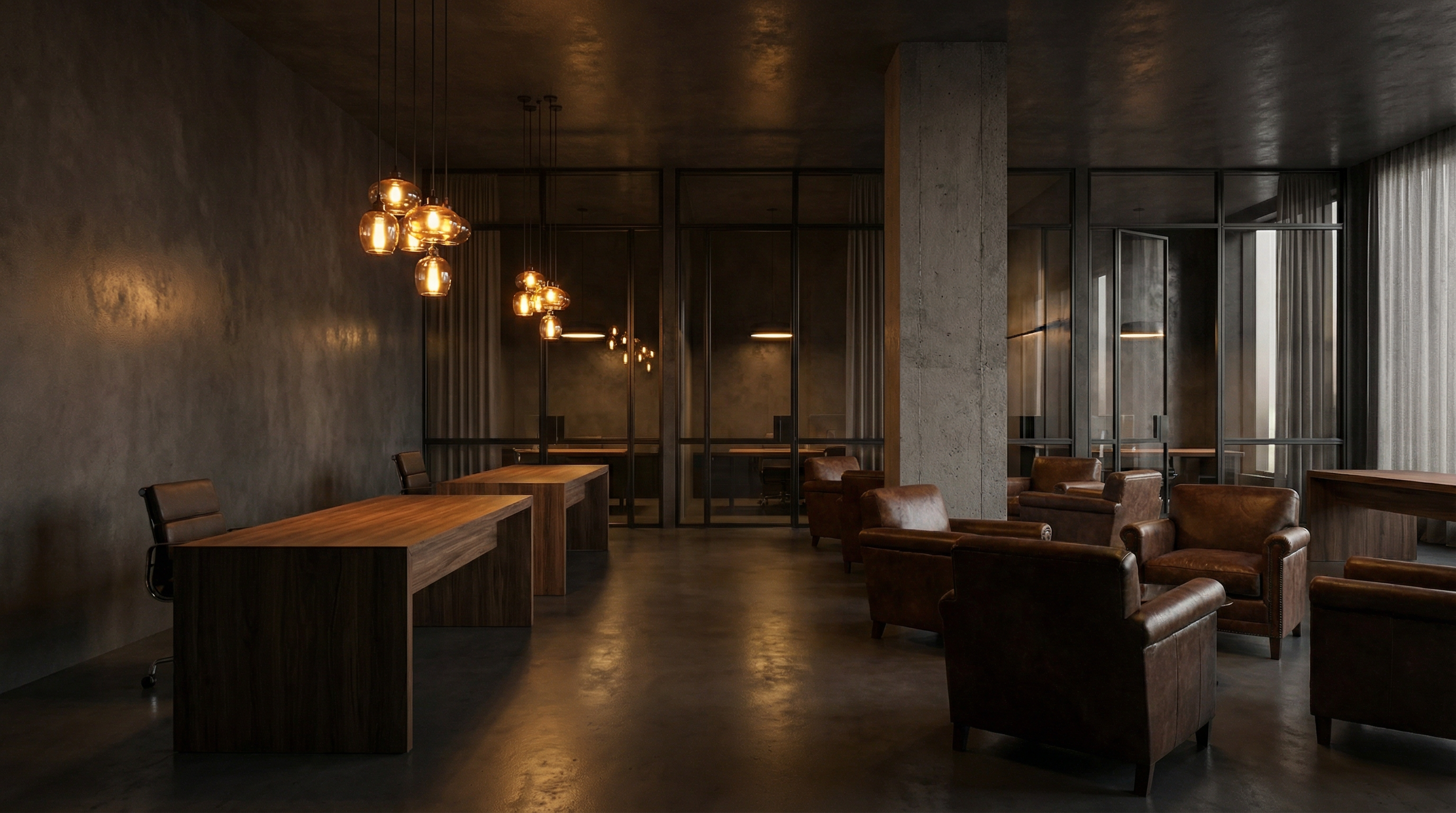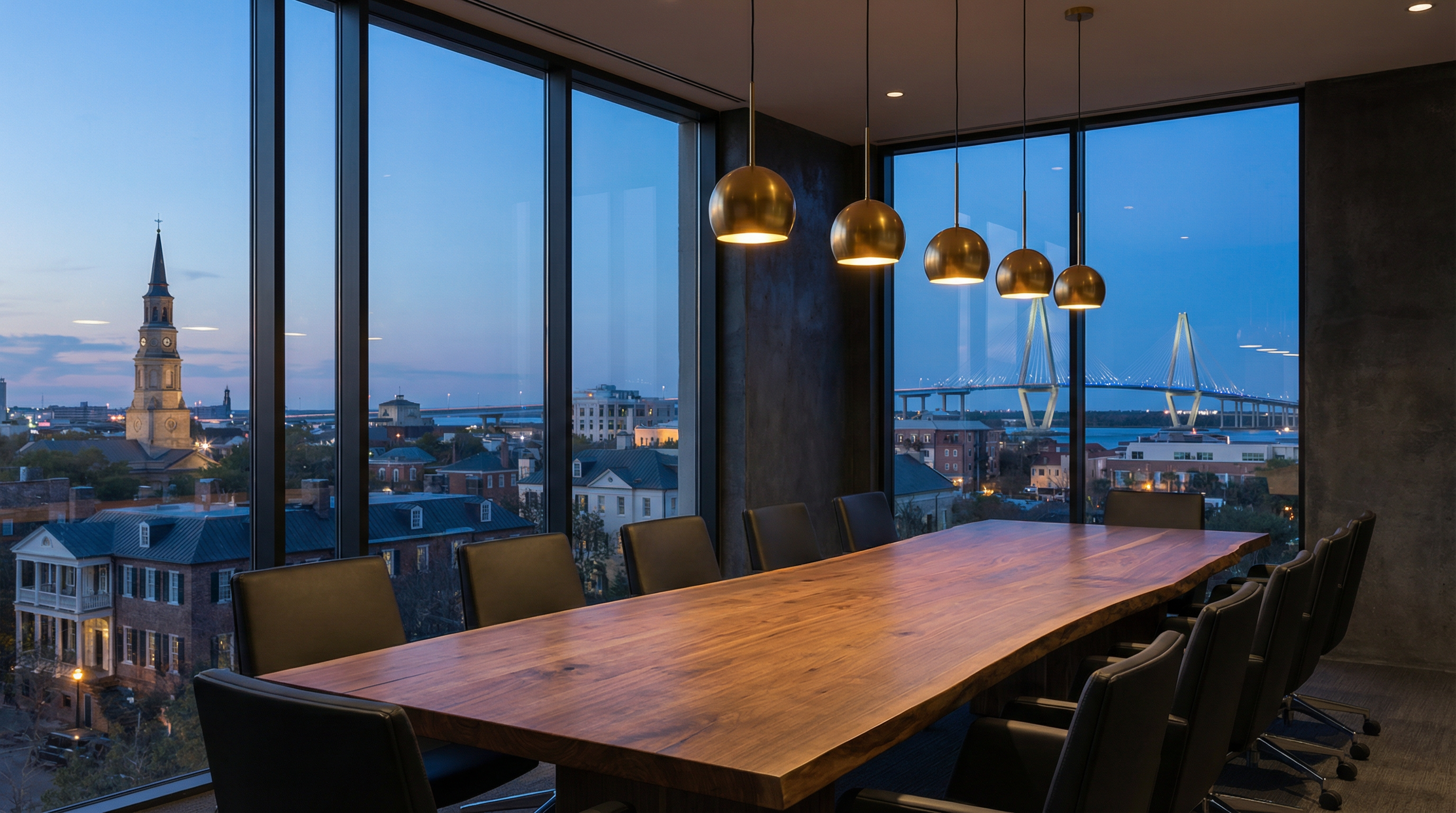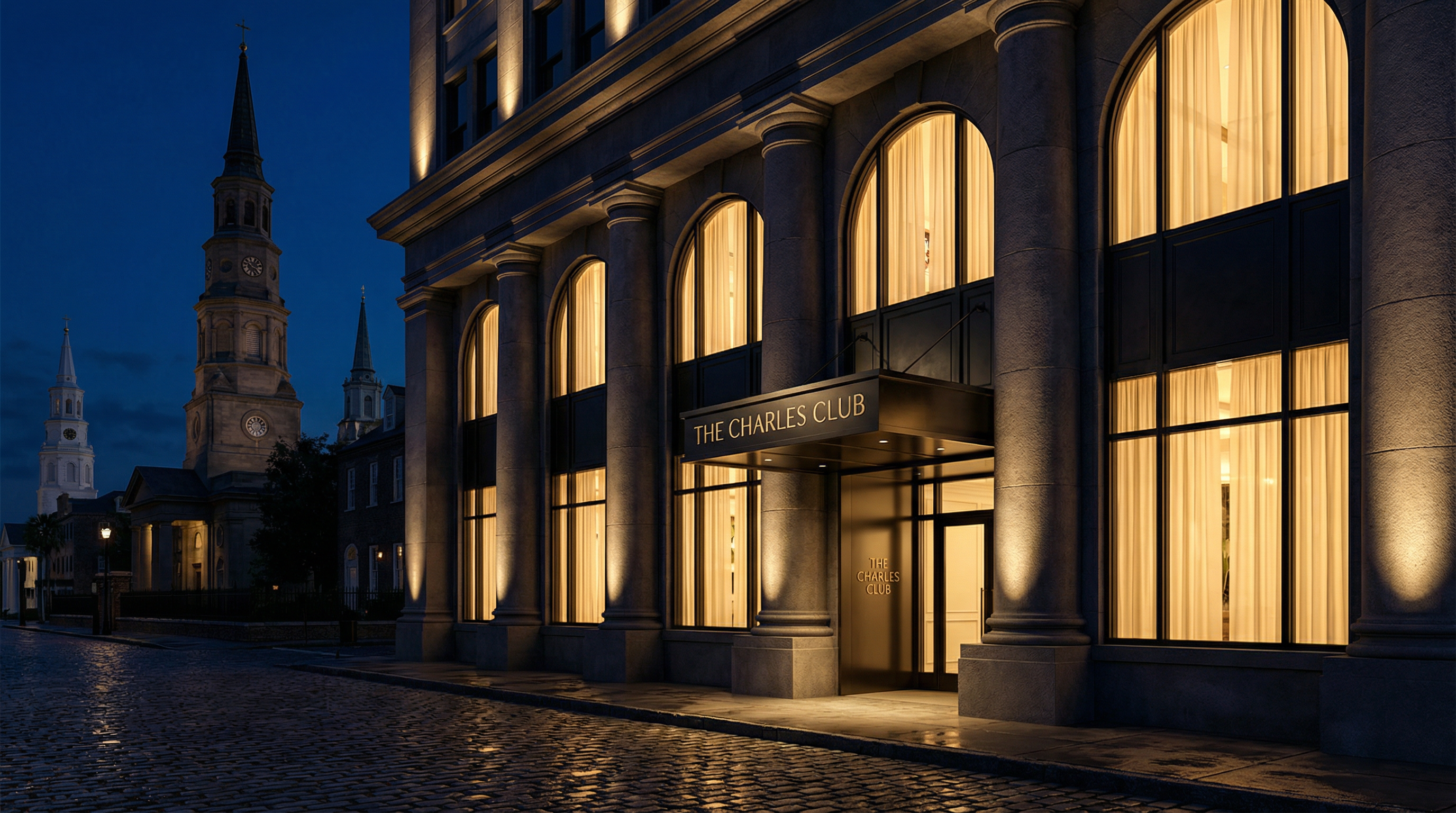
Something significant is happening in American cities. In the aftermath of the remote work revolution, a new category of urban development has emerged — one that doesn't fit neatly into the categories of office building, gym, hotel, or residential complex. The lifestyle campus integrates all of these functions into a single, coherent environment designed around the needs of the high-performing professional.
This isn't a trend driven by real estate speculation. It's a structural response to a genuine shift in how ambitious professionals want to live and work — and it's reshaping the commercial real estate landscape in cities from Charleston to Austin to Nashville.
The Problem That Lifestyle Campuses Solve
The modern high-performer's life is fragmented by design. Work happens in one location, fitness in another, recovery in a third, and meaningful social connection in a fourth. Each transition requires logistics — commuting, parking, changing, packing bags — that consume time and cognitive energy that could be directed at higher-value activities.
The average professional who maintains a serious fitness routine, uses a coworking space, visits a wellness facility, and eats lunch at a quality restaurant spends 60–90 minutes per day on the logistics of moving between these locations. Over a year, that's 350–550 hours — the equivalent of 8–14 weeks of work time — lost to logistics.
The lifestyle campus eliminates this friction entirely. When your office, gym, sauna, café, and social environment are all in the same building, the logistics of daily life compress to near zero. The time savings are real, but the cognitive savings are arguably more significant: you're no longer managing a complex daily schedule of locations, parking, and transitions.
Why Now?
The conditions for the lifestyle campus have been building for years, but several converging forces accelerated the trend in the early 2020s.
Remote work normalized the idea that professionals don't need to be in a specific office building to do their jobs. But it also revealed the limitations of working from home: isolation, the collapse of work/life boundaries, and the loss of the ambient social infrastructure that offices provided. The lifestyle campus offers a third option: a professional environment that's not your employer's office, not your home, and not a coffee shop.
The wellness industry's maturation has also played a role. A decade ago, infrared sauna, cold plunge, and performance recovery were niche concerns of elite athletes. Today, they're mainstream practices among high-performing professionals who understand the direct relationship between physical recovery and cognitive performance. The demand for integrated wellness infrastructure — not as a luxury amenity but as a performance tool — has created a new category of expectation.
Finally, the rise of the founder economy has created a critical mass of professionals whose work and personal identities are deeply intertwined. For a founder or executive, the distinction between "work time" and "personal time" is largely artificial — both are in service of a larger mission. An environment that supports both simultaneously is more aligned with how these professionals actually live than one that enforces a rigid separation.
The Charleston Opportunity
Charleston, South Carolina is an ideal city for the lifestyle campus model. The city's professional population has grown significantly over the past decade, driven by relocations from coastal cities and the growth of the local entrepreneurial ecosystem. The quality of life — beaches, food, culture, weather — attracts exactly the kind of ambitious professional who values an integrated lifestyle.
The Colosseum Charleston is the city's first purpose-built lifestyle campus: 20,000 square feet integrating premium coworking, a boutique fitness studio, a wellness and recovery center, a chef-driven café, furnished micro-suites, a rooftop pool, and a national speaker series — all under one roof, on one membership.
The Economics of Integration
The financial case for a lifestyle campus membership is straightforward when you add up the alternatives. A serious professional in Charleston might currently pay: $400–$800/month for a coworking membership, $100–$200/month for a gym membership, $200–$400/month for wellness services (sauna, massage, recovery), and $300–$600/month for business lunches and café expenses. Total: $1,000–$2,000/month, spread across four or five different providers, each requiring separate management.
The Colosseum's Founding Member rate of $545/month covers all of these categories in a single membership. The economics are compelling even before accounting for the time savings from integration.
What Comes Next
The lifestyle campus model is still in its early stages, but the trajectory is clear. As the model proves itself in first-mover cities like Charleston, it will expand to other high-growth markets — Austin, Nashville, Denver, Miami, and beyond. The professionals who establish themselves in founding member communities in these cities will benefit from the network effects of being early in a curated, high-quality community.
For Charleston specifically, The Colosseum represents an opportunity to be part of something genuinely new — a community of founders, executives, and high-performers who are building their businesses and their lives in one of America's most compelling cities. Join the waitlist to secure a founding membership before the building opens in 2027.
Explore The Colosseum
Frequently Asked Questions
Where is The Colosseum located?
Who is The Colosseum designed for?
How can I attend the speaker series and events?
How do I join The Colosseum?
Can I access individual amenities without a full membership?
What makes The Colosseum different from other facilities in Charleston?
Is The Colosseum open to the public?