The traditional office is in crisis — not because remote work has made it obsolete, but because the most valuable professionals have realized it was never designed for them in the first place. The open-plan office, the fluorescent lighting, the mandatory 9-to-5 presence, the separation of work from fitness and wellness — these are design choices that made sense for a different era of knowledge work. They don't make sense for the founder, executive, or high-performing professional of 2027.
The professionals who are leaving traditional offices aren't going home to work in pajamas. They're going to environments that are specifically designed for high performance — and they're not coming back.
The Open-Plan Office Was Always a Bad Idea
The open-plan office became dominant in the 1990s and 2000s, driven by a combination of cost reduction (fewer walls per square foot) and a misguided belief that physical proximity would drive collaboration. Decades of research have consistently shown the opposite: open-plan offices reduce both collaboration quality and individual productivity. The interruptions are constant, the acoustic environment is hostile to deep work, and the lack of privacy creates a low-grade surveillance stress that depletes cognitive resources throughout the day.
The professionals who thrived in open-plan offices were those whose work didn't require sustained concentration — coordination roles, sales, customer service. The professionals who suffered most were those whose work required deep, focused thinking: engineers, writers, analysts, strategists. These are exactly the people who generate the most value in knowledge-intensive organizations, and they've been working in environments optimized against their cognitive needs for 30 years.
The Commute Tax
The traditional office also imposes a commute tax that has become increasingly difficult to justify. The average American commute is 27 minutes each way — nearly an hour per day, or roughly 250 hours per year. For a professional billing at $300/hour, that's $75,000 in time cost annually. Even for professionals who don't bill by the hour, the cognitive cost of commuting — the stress, the decision fatigue, the lost time — is a significant drag on performance.
The professionals who have abandoned traditional offices haven't eliminated commuting entirely — they've replaced the mandatory daily commute with intentional travel to environments that justify the trip. A 15-minute drive to a campus that offers a premium workspace, a world-class gym, and a chef-driven café is a different calculation than a 45-minute commute to an open-plan office with a vending machine.
The Wellness Gap
Traditional offices are almost universally hostile to physical wellness. The sedentary nature of desk work, the poor ergonomics of most office furniture, the absence of movement breaks, and the nutritional wasteland of most corporate cafeterias create a daily environment that actively degrades physical health. The professionals who take their performance seriously have recognized this and are voting with their feet.
The alternative isn't working from a gym — it's working from an environment where the gym is part of the infrastructure. At The Colosseum's coworking floor, members can move between their private office and the performance gym, wellness center, and café without leaving the building. The result is a daily routine that integrates physical performance with professional performance rather than treating them as competing priorities.
The Community Deficit
Traditional offices provided something that remote work cannot replicate: ambient community. The casual conversations, the shared context, the sense of being part of something — these are real sources of motivation and connection that disappear when you work from home. But the community of a traditional office is also constrained: you're connected to your colleagues, not to the broader professional ecosystem.
The lifestyle campus model offers a different kind of community: a curated group of high-performing professionals from different industries and backgrounds, connected by shared values and shared infrastructure rather than shared employment. The networking value of training alongside a Charleston real estate developer, recovering in the sauna with a Series B founder, and eating lunch next to a nationally recognized attorney is qualitatively different from the networking value of working in the same company.
What the Best Professionals Are Looking For
The professionals who are leaving traditional offices are looking for environments that offer four things: acoustic privacy for deep work, physical infrastructure for performance, community quality that creates genuine networking value, and flexibility that respects their autonomy as professionals.
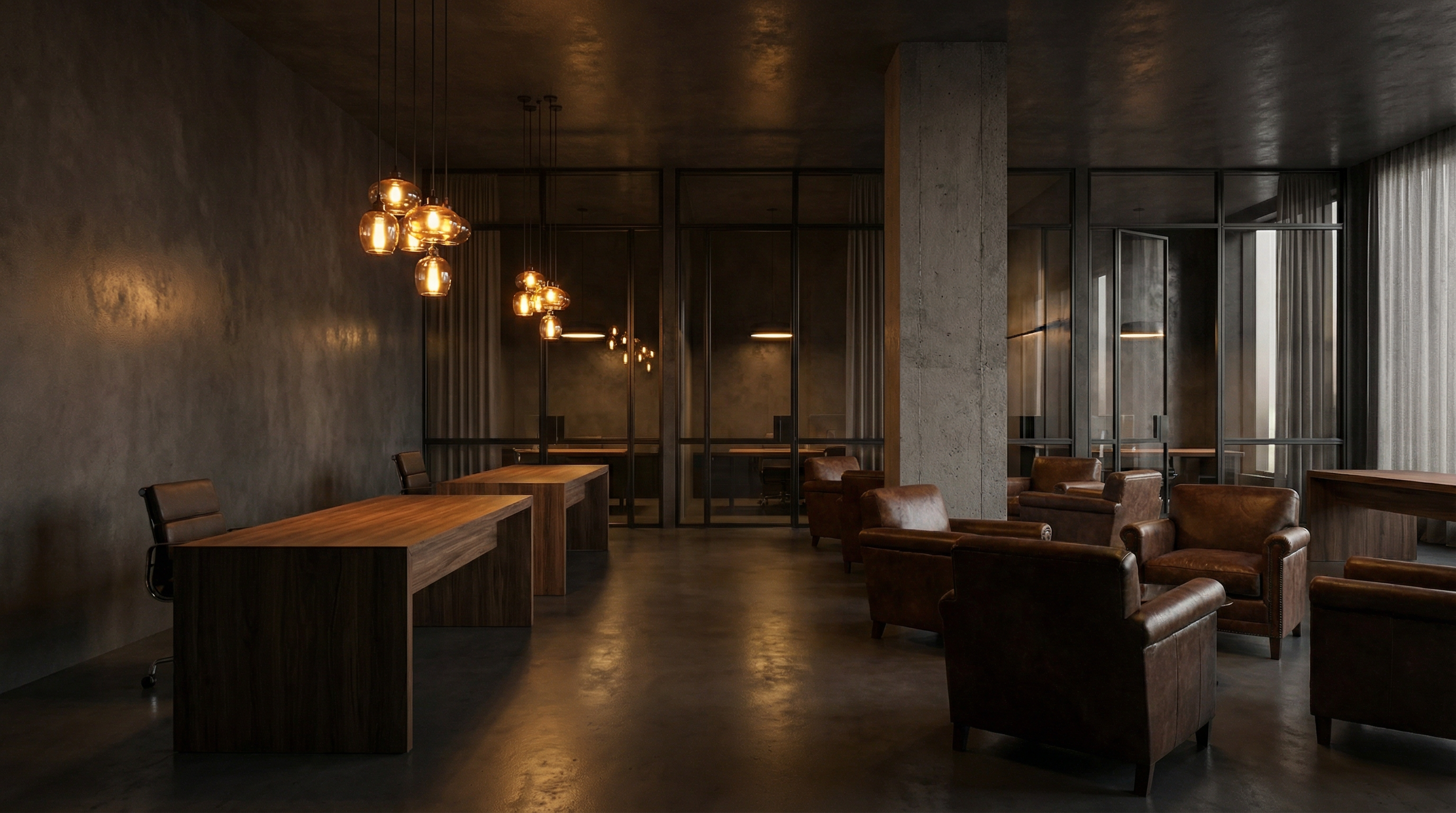
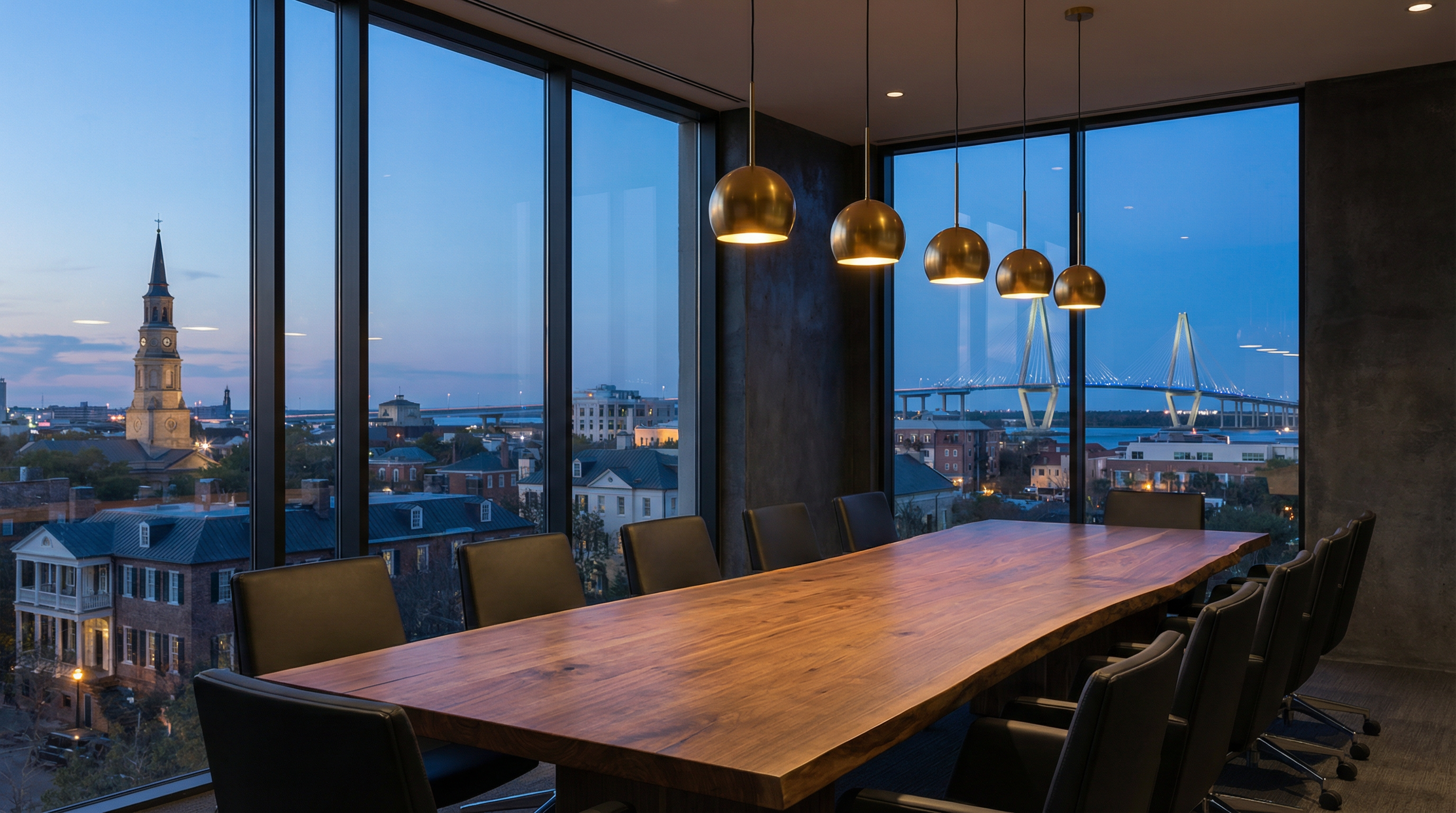
The Colosseum's coworking floor is designed around all four. Private offices and focus suites provide acoustic isolation. The performance gym and wellness center provide physical infrastructure. The curated membership community provides networking value. And the membership model — no mandatory hours, no assigned desks, no corporate culture — respects the autonomy of the professionals who use it.
If you're a founder, executive, or high-performing professional in Charleston who has outgrown the traditional office model, join the waitlist for founding membership access. The building opens in 2027; founding spots are limited to 300.
Explore The Colosseum
Frequently Asked Questions
Where is The Colosseum located?
Who is The Colosseum designed for?
What types of workspaces are available?
How do I join The Colosseum?
Can I access individual amenities without a full membership?
What makes The Colosseum different from other facilities in Charleston?
Is The Colosseum open to the public?